Cell Biology

See Beyond the Cell: Spatial Proteomics at Subcellular Precision with Microscoop

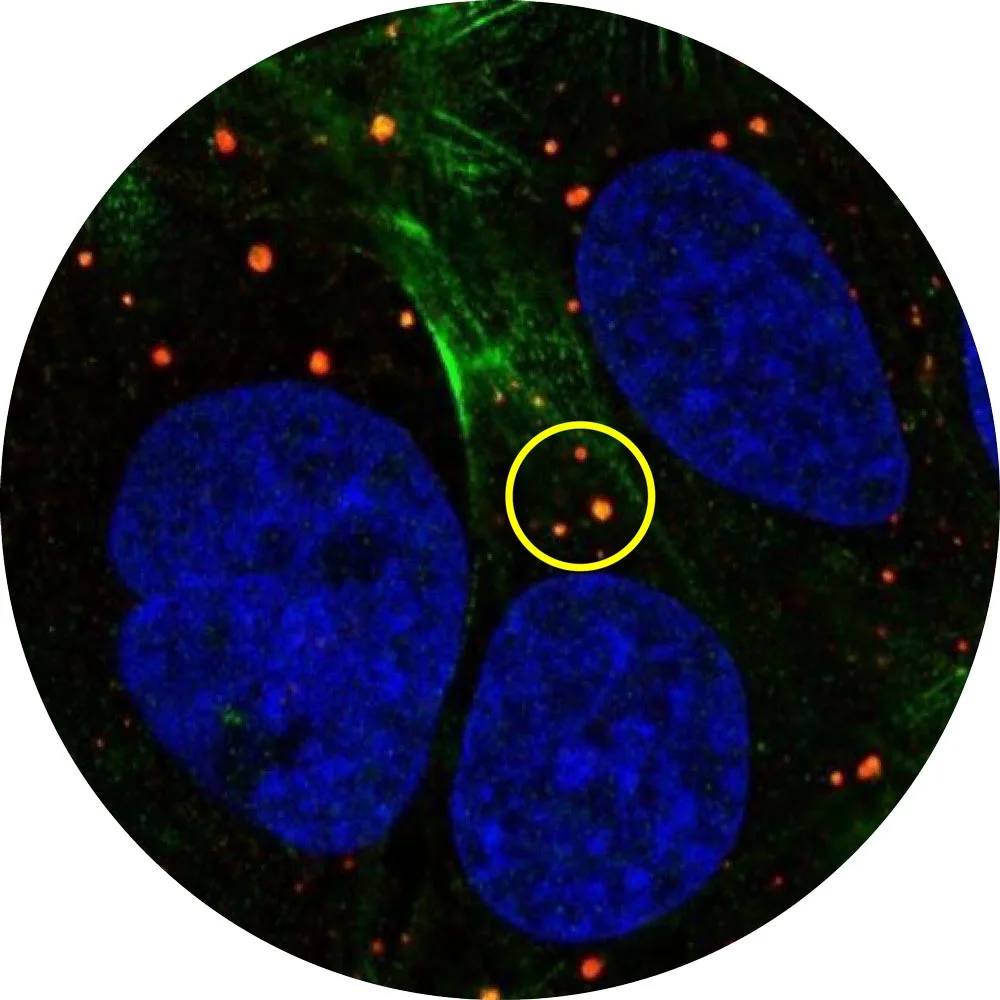
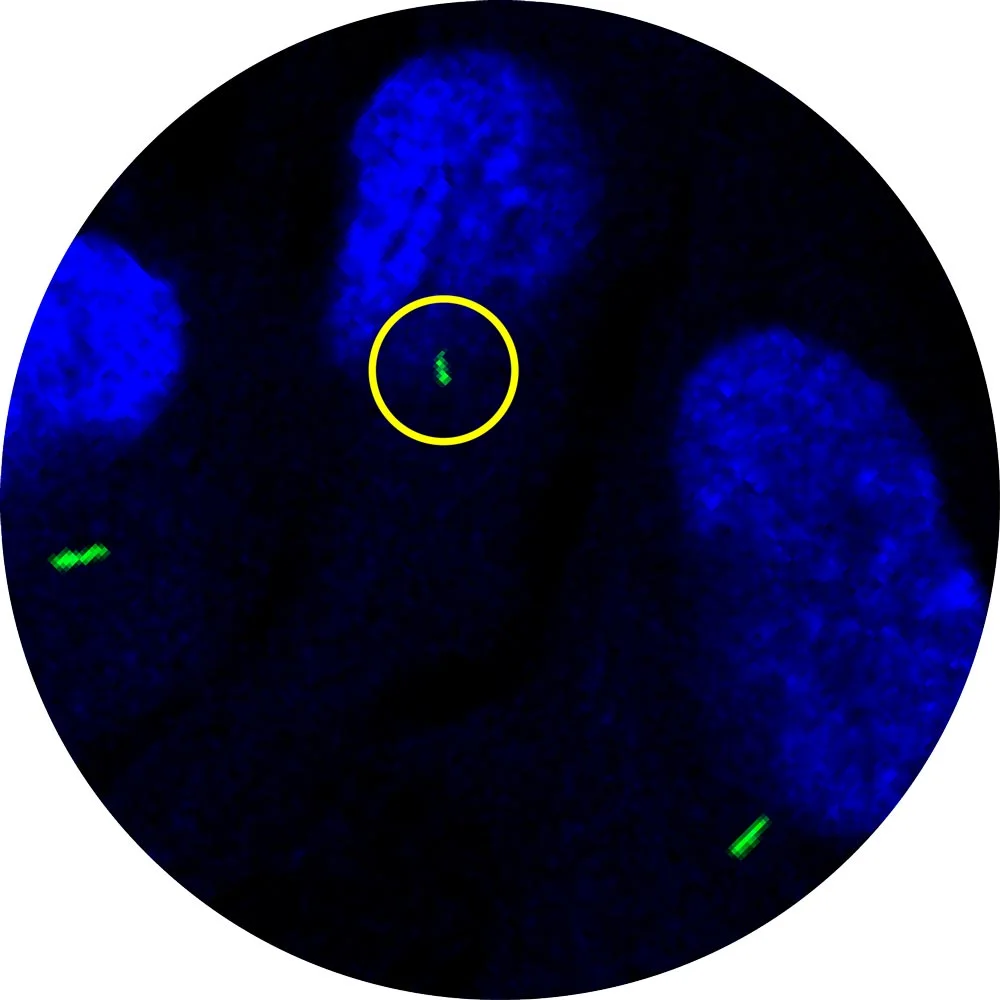
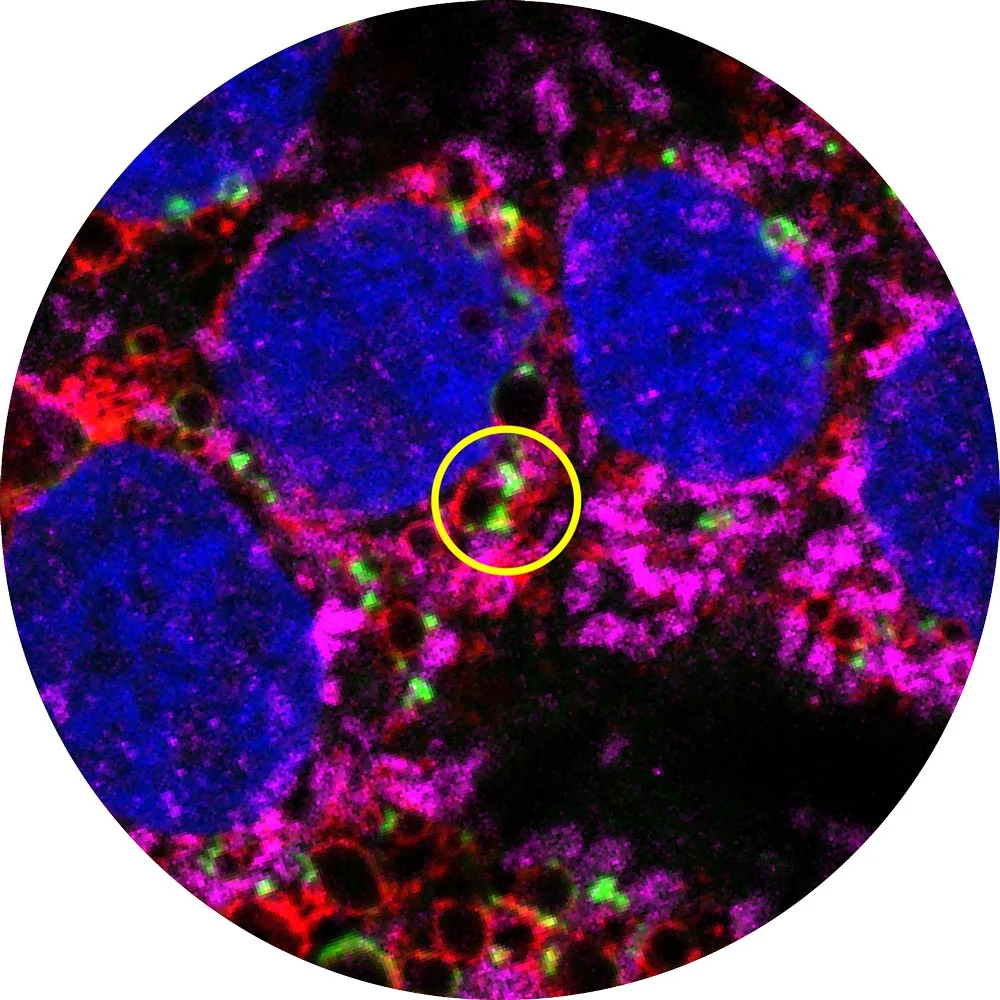
Perform spatially resolved, unbiased proteomics on the smallest functional compartments of biology. From individual cells to cilia, mitochondria, stress granules, and cell–cell or organelle junctions, Microscoop empowers you to uncover molecular insights into dynamic cellular processes, development, signaling, and disease—mapping proteomes that traditional methods simply can’t reach.

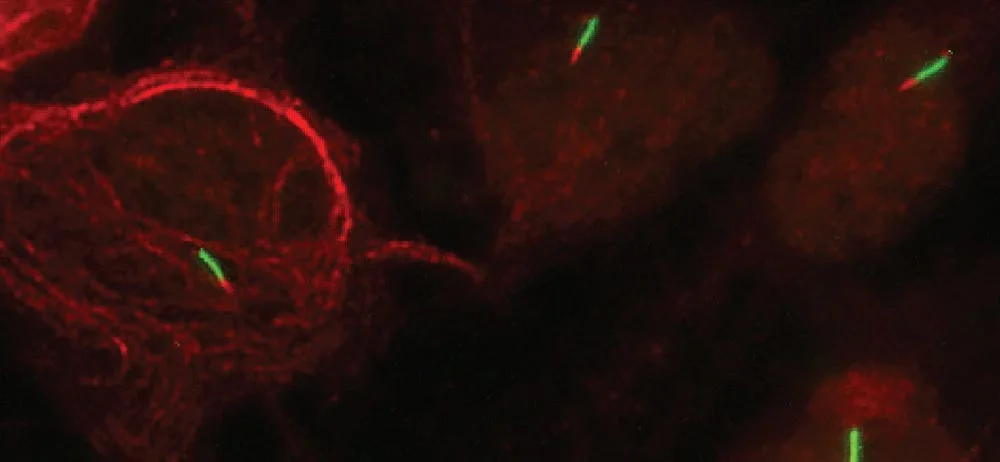
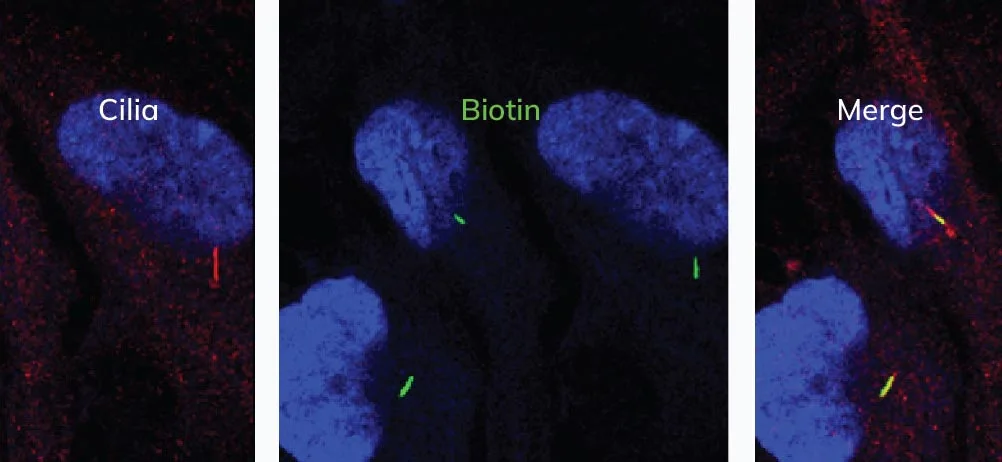
  • Primary Cilia
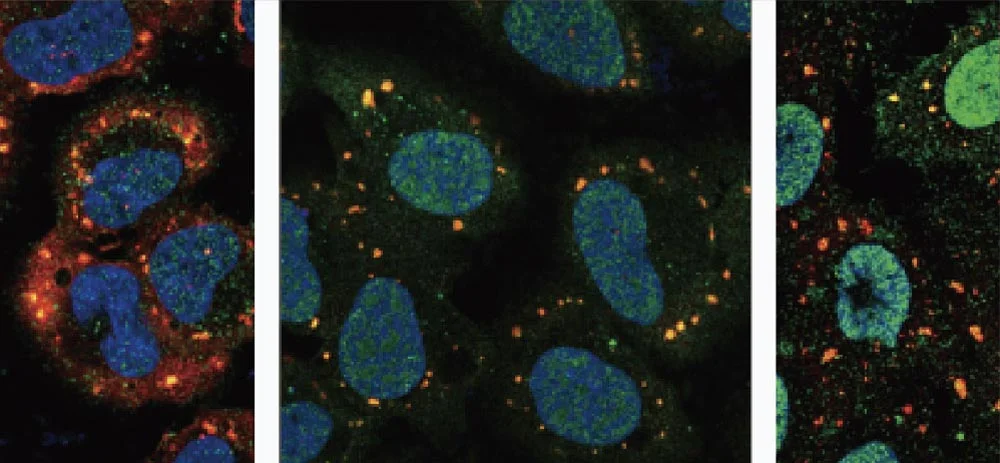
  • Stress Granules
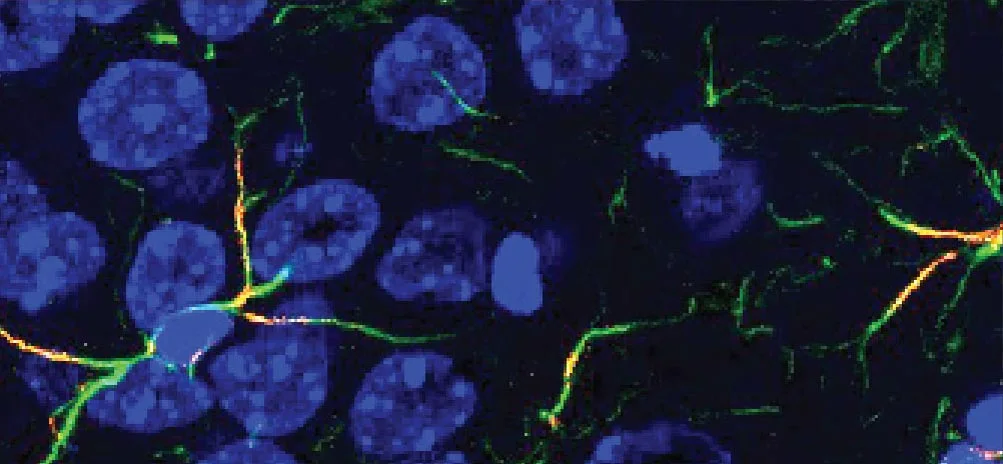
  • Tunneling Nanotubes
  • Peridroplet Mitochondria
  • Endosome
  • Nuclear Membrane

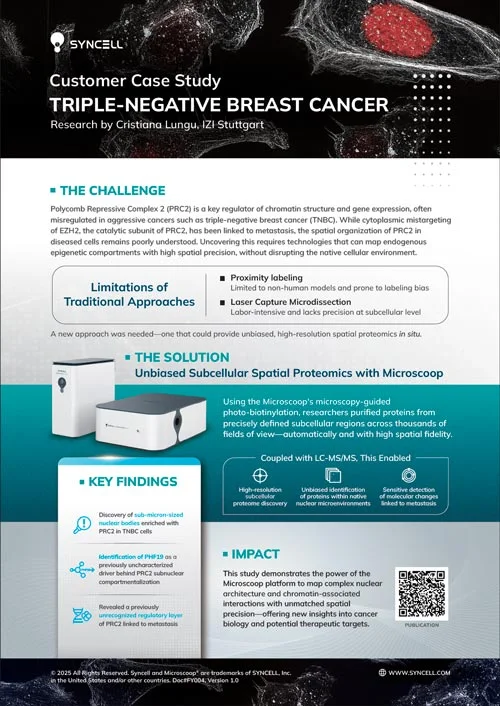
Case Study: Breast Cancer Research

Learn how researchers at IZI Stuttgart used Microscoop’s microscopy-guided photo-biotinylation to purify proteins with unmatched spatial precision, revealing new insights into complex cancer biology.

This machine didn’t just accelerate our process—it introduced a new layer of clarity. It revealed unexpected connections and gave us the confidence to pursue a research direction we’d previously dismissed.

Dr. Cristiana Lungu, Department of Molecular Tumor Cell Biology, University of Stuttgart

CELL BIOLOGY APPLICATIONS

01

Organelle Proteomics

Map organelle proteomes with subcellular precision

From cilia, mitochondria, to endsomes and more, Microscoop offers unparalleled insights into organelle-specific proteomes.

02

Complexes and Aggregates

Uncover the proteomes of protein complexes, condensates, and granules

Microscoop empowers researchers to uncover novel components and key regulatory mechanisms of complex cellular structures like protein aggregates, protein complexes, and membrane-less organelles.

03

Organelle-Organelle Interactions

Profile proteomes at organelle contact sites

Microscoop enables proteomic exploration at specialized organelle contact sites which are essential for critical cellular functions, facilitating processes such as signaling and metabolic control.

04

Cell Signaling

Unravel cell signaling dynamics

Unlock the potential of Microscoop to uncover dynamic proteomic alterations at critical cellular signalling hubs like cilia, synapses, and focal adhesions sites that mediate communication, organization, and cellular function.

05

Development and Disease

Connect cell biology to development and disease

From neuronal differentiation and left–right patterning to cancer progression and neurodegenerative disorders, Microscoop provides deeper insights into the compartment-specific proteins vital for development and disease processes.

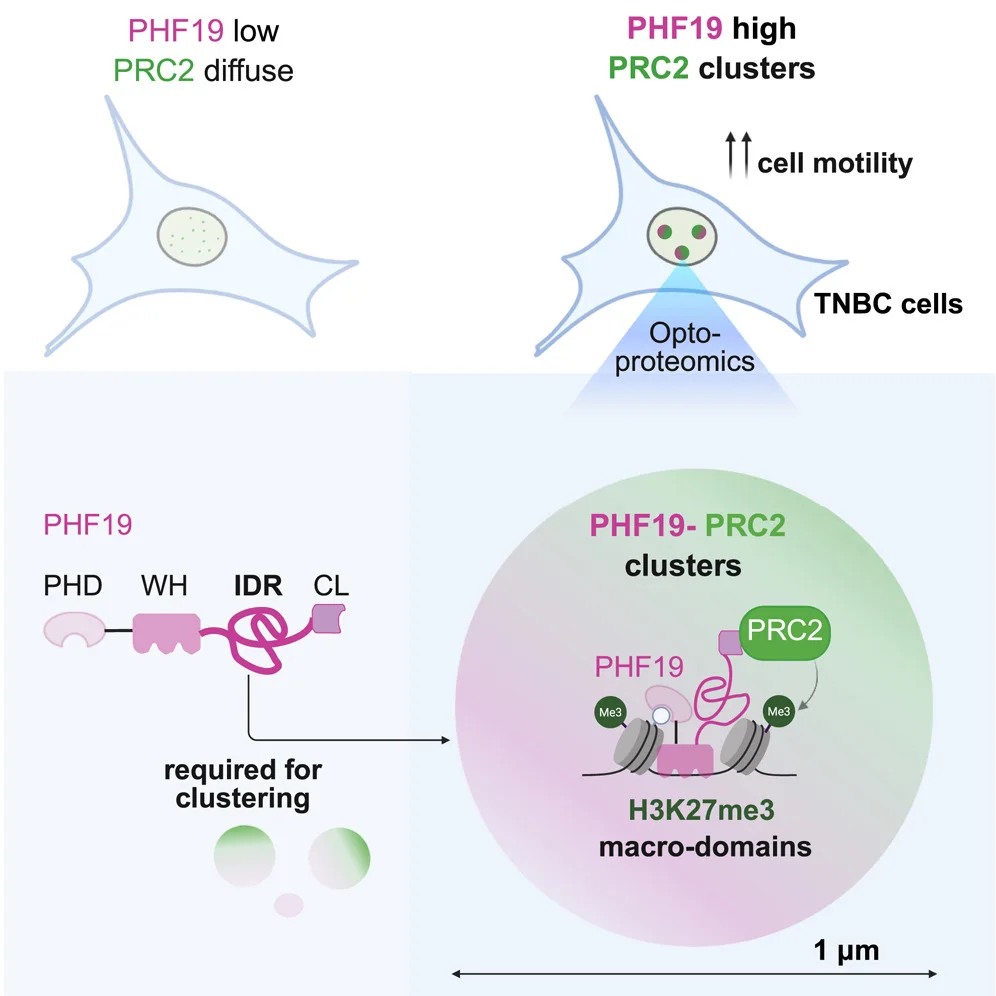
Learn how Microscoop Mint helped uncover spatially resolved insights into the misregulation of epigenetic proteins in cancer cells.

06

Single Cell Proteomics

Single-cell proteomics with spatial precision

Unleash new possibilities in single-cell proteomics with Microscoop with unmatched sensitivity. Microscoop reveals critical cell-state markers, and subpopulation dynamics, providing essential insights into complex tissues.

07

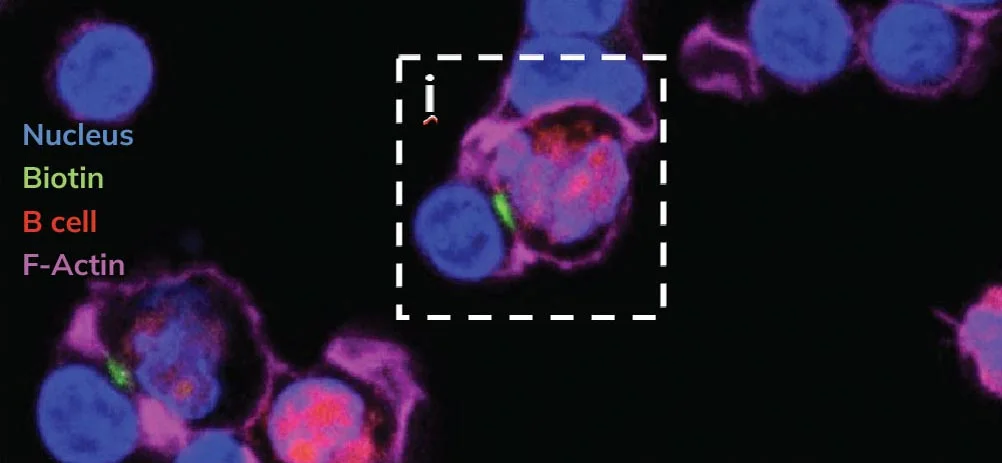
Cell-Cell Interactions

Cell–cell interface proteomics

With Microscoop, provide clarity into protein dynamics that drive neuronal responses, immune responses, tumor behavior, and tissue regeneration by unravelling native proteomes at crucial cellular interaction sites like immune and neuronal synapses, tumor–stroma borders, and stem cell environments.

NEW PUBLICATION

PHF19 drives the formation of PRC2 clusters to enhance motility in TNBC cells

Pelzer, Nina et al.
Cell Reports, Volume 44, Issue 10, 116391